November creates a useful travel window in India: many plains destinations become more comfortable for walking, coastal holidays regain their appeal, and the festive calendar gives short breaks a clear purpose. The difficult part is choosing a trip that fits the days you actually have. A beautiful destination can still make a poor long weekend if reaching it consumes most of your leave.
This guide compares six different November holidays by the experience they offer, the time they need and the compromises worth making. It is a planning shortlist, rather than a claim that every place has identical weather or that November guarantees clear skies. Choose one region, reserve sensible arrival time and build the holiday around your preferred pace.
Quick answer: where should you go in November?
Choose Udaipur for lakes and heritage, Hampi for monumental landscapes, Varkala for a slower beach break, Puri and Konark for a coastal cultural trip, Meghalaya for a longer road journey, or Kutch for white-desert scenery and crafts. Allow three nights for a compact city or beach base and at least five nights for a regional circuit. Check local forecasts and official access information before booking.
| Destination | Best reason to choose it | Suggested time | Main planning compromise |
|---|---|---|---|
| Udaipur | Lakes, architecture and walkable sightseeing | 3 nights | Central lanes and peak-period crowds |
| Hampi | Ruins, boulders and landscape photography | 3 nights | Spread-out sights and exposed walking |
| Varkala | Beach walks and an unhurried routine | 3–4 nights | Sea conditions and cliff access |
| Puri–Konark | Coast, temples and craft stops | 4 nights | Religious access and road transfers |
| Meghalaya | Villages, river scenery and varied landscapes | 6 nights | Longer drives and weather changes |
| Kutch | Salt-desert views and artisan encounters | 4–5 nights | Transport, permissions and event demand |
Start with the journey, then select the destination
Write down your departure city, the earliest realistic departure and the latest acceptable return. Compare door-to-door journeys, including airport transfers, station connections and hotel check-in. A cheap overnight service is not a saving if you arrive too tired to enjoy your only full day. Keep the first afternoon light whenever arrival depends on an uncertain connection.
For a three-night trip, choose one base with several nearby activities. For six nights, two or three bases may be reasonable, provided each move follows the direction of travel. Avoid combining Kutch, Rajasthan and a coastal destination merely because each appears in a November list. The distances between them turn an appealing shortlist into a transport schedule.
1. Udaipur: choose a lake-and-lanes city break
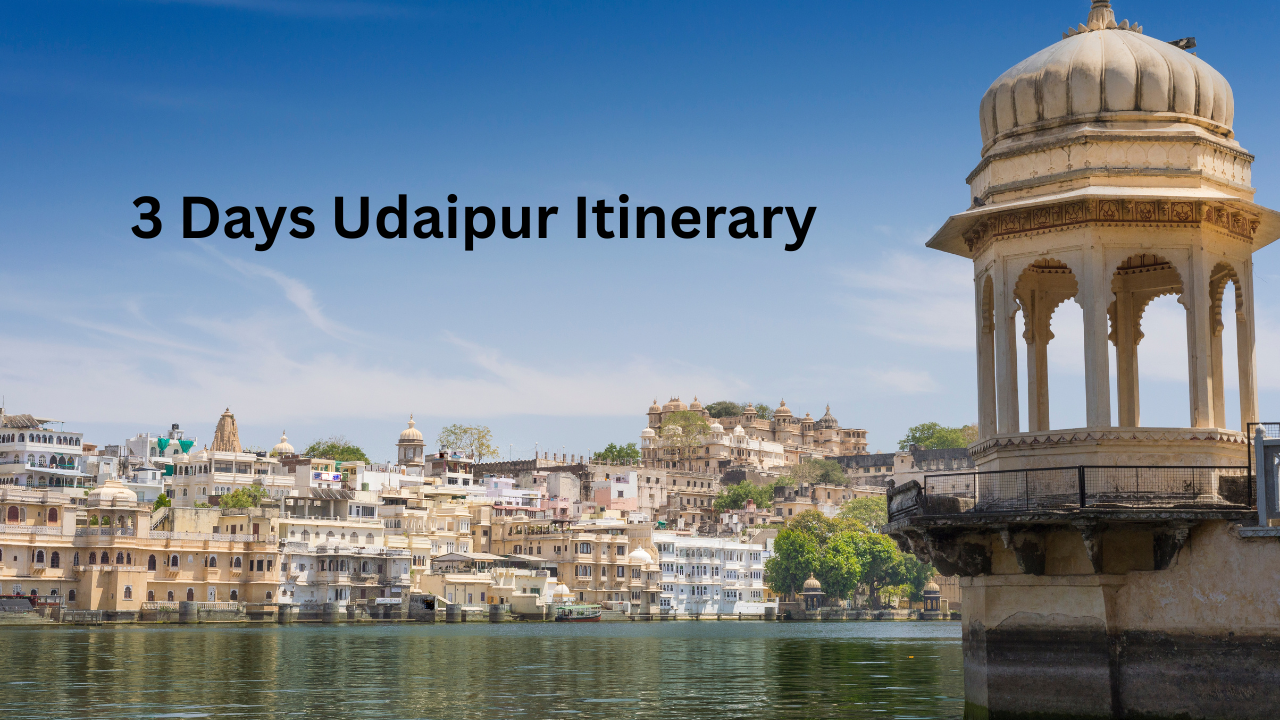
Udaipur suits travellers who enjoy alternating a major sight with cafés, markets and time near the water. Use the first afternoon to settle into your neighbourhood and understand the old-city lanes. Dedicate the next morning to the palace area, then leave the afternoon flexible for a quieter walk or a booked cultural activity. Keep another day for a different lake setting and a slower meal.
Stay centrally if walking matters most, but ask the property where a car can actually drop you. A lake-view photograph does not reveal stairs, noise or the distance from the vehicle access point. Travellers with large luggage or limited mobility may prefer a more accessible location and short rides into the old city.
Use the Udaipur three-day itinerary for a detailed city structure. Treat any separately booked boat ride as weather- and operation-dependent, and compare the complete ticket conditions rather than assuming every departure uses the same route.
2. Hampi: plan around energy and shade
Hampi rewards travellers who like walking, architecture and open landscapes. Its attractions are not one compact museum complex, so divide sightseeing into geographical clusters. A practical three-night plan uses an easy arrival evening, a guided heritage morning, another day for a different cluster and an unhurried departure. Leave space to absorb what you are seeing instead of collecting every monument name.
An early start is useful even when the season feels pleasant: exposed stone and midday walking can still be tiring. Carry water, use suitable footwear and agree transport between clusters before beginning. A local guide is most valuable when the explanation connects buildings, landscape and daily life, rather than delivering a rapid list of rulers.
Read the Hampi trip plan before selecting accommodation. Confirm which side of the river your property occupies and how your arrival route reaches it. A short distance on a map does not automatically mean a simple crossing at the time you arrive.
3. Varkala: give a beach break room to breathe
Varkala works particularly well when you want a repeatable routine: breakfast, a walk, rest, a meal and sunset without changing hotels. Three or four nights let you enjoy that rhythm. Choose accommodation according to access and noise, not only a dramatic cliff photograph. Ask how many steps separate the room from the beach and whether your intended approach remains usable.
Beach conditions are a daily decision. Follow lifeguard directions, observe flags and avoid treating a gentle-looking sea as proof that swimming is safe. A good coastal holiday also needs an enjoyable non-swimming plan: a town walk, reading time, a local meal or a short organised excursion.
If you are choosing between Karnataka and Kerala, the Varkala versus Gokarna comparison helps clarify the trade-offs. Do not add both towns to a short break just to avoid making a choice. The transfer would consume the relaxation you came for.
4. Puri and Konark: combine culture with the coast
This combination suits travellers who want more than a beach stay. Base the trip around Puri, add a considered Konark excursion and reserve time for craft or food experiences along the way. The wider Odisha circuit is also a useful option when you can extend beyond a long weekend and include Bhubaneswar.
Separate heritage sightseeing from worship. Entry rules at active religious sites can depend on the institution and the visitor, so confirm access rather than promising the same experience to everyone in the group. Allow time for security, footwear arrangements and respectful clothing. A guide should explain what is appropriate without pressuring you into purchases or unofficial services.
The Puri itinerary is a starting point for local planning. For beach time, select supervised areas and ask about current conditions. For a Konark day, leave breathing room around the principal monument; adding too many roadside stops can turn a rewarding visit into a rushed drive.
5. Meghalaya: choose a regional holiday, not a rushed weekend
Meghalaya is the strongest fit here for travellers with a full week. Shillong, Sohra and the Dawki side offer different experiences, but the road journey matters as much as the number of attractions. Use two nights in a base when possible, and choose activities according to walking ability, daylight and the weather on the day.
Do not build the holiday around a guaranteed photograph of transparent river water or a waterfall at maximum flow. Those are conditions, not products an operator can promise. A village visit, a viewpoint and a locally guided walk can make a good day even when the exact social-media image is unavailable.
Use the Shillong guide alongside official Meghalaya Tourism route information. Avoid treating the living-root-bridge walk as a compulsory activity for every traveller. Discuss the steps, return climb and alternatives before deciding, especially if the group includes children or people with mobility concerns.
6. Kutch: make room for culture beyond the white landscape
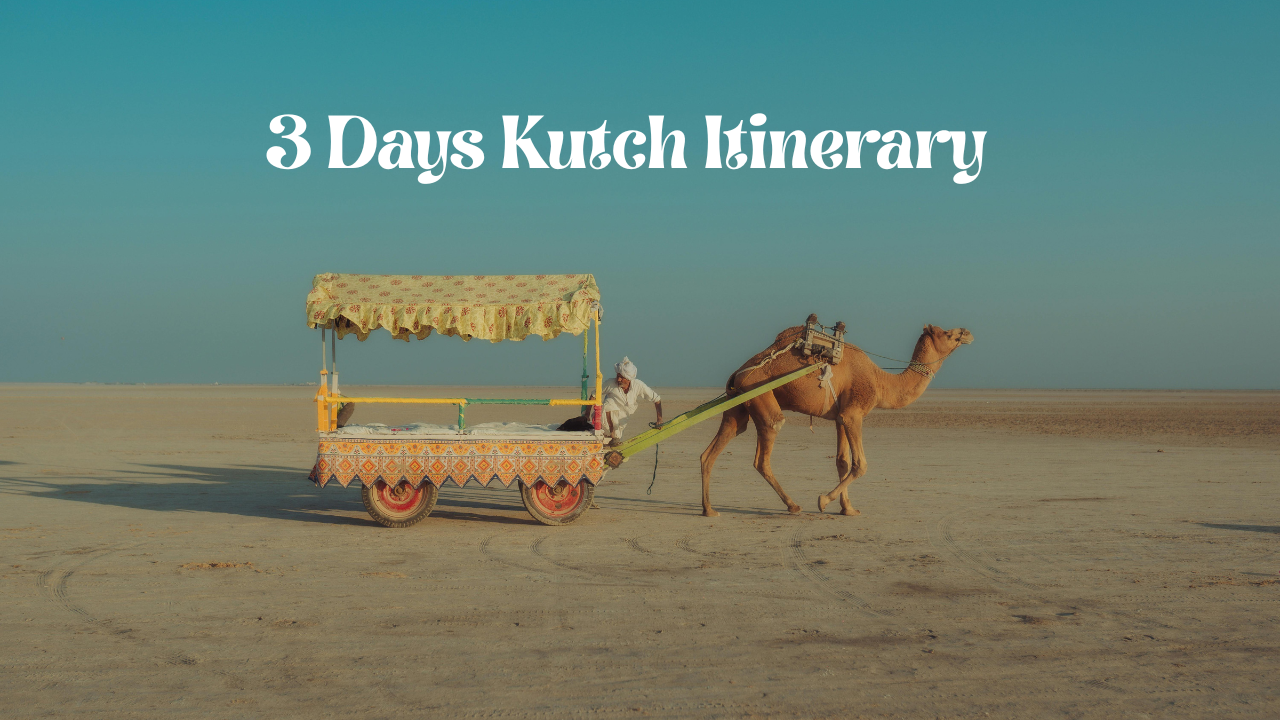
Kutch needs more than a sunset stop. A stronger holiday combines the salt landscape with Bhuj, craft traditions and an intentional choice of overnight base. Decide whether you want a festival-package experience or an independently arranged trip, then compare what transport, meals and activities each option actually includes.
Permissions, designated access areas and local operating conditions can change. Check the official tourism information and confirm arrangements with your accommodation before leaving Bhuj. Remote evening transfers deserve particular attention: know who is collecting you, where the pickup happens and whether the price includes waiting time.
The existing Kutch itinerary provides regional context. For November, do not assume a particular moon phase, event programme or desert surface condition simply because an old photograph shows it. Plan a worthwhile daytime cultural experience as well as the evening landscape visit.
A practical budget method for any of these trips
Build the budget in layers: return transport from home, accommodation, local transfers, meals, admissions or guided activities, and a reserve. Compare complete trips rather than hotel-night prices alone. A remote stay that includes transport and meals may compare favourably with a cheaper room requiring several paid transfers, but the opposite can also be true.
For illustration, a couple could set aside ₹9,000 for three room nights, ₹4,800 for food, ₹4,000 for local travel and ₹2,000 for activities. That produces a ₹19,800 destination budget before travel from home. A 15% reserve adds ₹2,970, giving ₹22,770 for two people. These are editable spending assumptions, not live hotel quotes or a promise that every destination fits that amount.
Replace the assumptions with actual refundable-room and transport quotes for your dates. Festival weekends can change the comparison substantially. If the numbers do not work, reduce transfers or choose a closer destination before removing essentials such as a reliable return journey.
What to book first, and what to leave flexible
Reserve the hardest-to-replace part first: a suitable long-distance journey, an accessible room or an activity with limited capacity. Then arrange the local transfers that make the trip function. Leave ordinary meals and some neighbourhood exploration open so a delayed arrival does not create a chain of missed bookings.
Check cancellation terms in writing. A flexible label may hide a deadline, partial refund or platform fee. Save the property’s location, direct contact and arrival instructions offline. For a mixed-age group, share a short daily plan with the main activity, expected walking and the point at which people can return to the hotel.
Frequently asked questions
Which November destination is best for a first family trip?
A compact Udaipur or Puri stay can be easier to organise than a multi-base hill circuit, provided the hotel is accessible and the group’s interests match the destination. Choose by travel time and daily walking needs rather than assuming every family wants the same type of holiday.
Is November a guaranteed dry month everywhere in India?
No. India has different regional weather patterns, and an individual week can depart from the usual seasonal expectation. Use seasonal information to choose a broad region, then check a current forecast and local advisories before travel and before weather-sensitive activities.
How many destinations should a seven-day holiday include?
Usually one region with two or three well-chosen bases is more useful than a nationwide checklist. Count arrival and departure days honestly. If a route requires several long transfers, remove a stop before adding another early start.
Official planning references
Destination information checked on 21 October 2026: Rajasthan Tourism, Kerala Tourism, Meghalaya Tourism and Odisha Tourism. The route choices, time allocations and budget example above are editorial planning suggestions. Recheck access, forecasts and current prices for your travel dates.