A Konkan holiday does not need to become a continuous coastal drive. You can use the train for the long-distance journey, spend a few days around Ratnagiri and Ganpatipule, and hire local transport only where it adds real value. That creates space for the coast, regional food and a slower daily routine without asking someone in the group to spend the whole break behind the wheel.
The key is understanding what rail does and does not solve. Ratnagiri can be a useful arrival point, but the final connection to a beach stay still needs planning. This suggested five-day route uses two bases and four nights, with ordinary local transfers rather than a promise that every stop is reachable on foot.
Quick answer: how can you plan a Konkan holiday without driving?
Take a suitable train to Ratnagiri, spend two nights there and two around Ganpatipule, then return through a verified rail connection. Arrange the station pickup and the transfer between bases in advance. Use one selected local vehicle day for dispersed sights instead of hiring a car for every hour. Check current train notices, property access and beach conditions for your dates.
| Day | Focus | Overnight |
|---|---|---|
| 1 | Rail arrival and Ratnagiri orientation | Ratnagiri |
| 2 | A selected town-and-coast day | Ratnagiri |
| 3 | Transfer to Ganpatipule and settle in | Ganpatipule area |
| 4 | Temple, coast and an unhurried afternoon | Ganpatipule area |
| 5 | Protected station transfer and departure | Onward journey |
Choose the train for its timing, not only its scenery
A daytime journey may give you more opportunity to enjoy the landscape, while an overnight service can preserve a working day. Neither is automatically better. Compare seat or berth comfort, arrival time and the final station-to-room transfer. A service reaching the region at an awkward hour can reduce the value of a cheaper fare.
Check the current timetable and operating notices through the railway’s official channels. Seasonal timetables, special trains and temporary changes can affect a plan copied from an older article. Book the actual journey that operates on your date, and avoid placing a non-refundable local activity immediately after the expected arrival.
Carry the accommodation address, pickup contact and booking documents offline. Pack a small accessible bag with water and essentials so the main luggage can remain settled during the rail journey. The scenic route is more enjoyable when you are not repeatedly unpacking to find something basic.
Why use two bases rather than change hotels every night?
Two nights in Ratnagiri let you recover from the journey and explore without immediately checking out. Two nights around Ganpatipule give the beach portion a different rhythm. You can repeat an evening walk, return to a meal place and spend a morning without calculating the next hotel’s check-in time.
If you strongly dislike moving luggage, choose one base and arrange a clearly defined day trip. The trade-off is additional road travel on that day. If the group includes young children or anyone with limited mobility, compare those costs honestly rather than assuming that fewer hotel changes always means less effort.
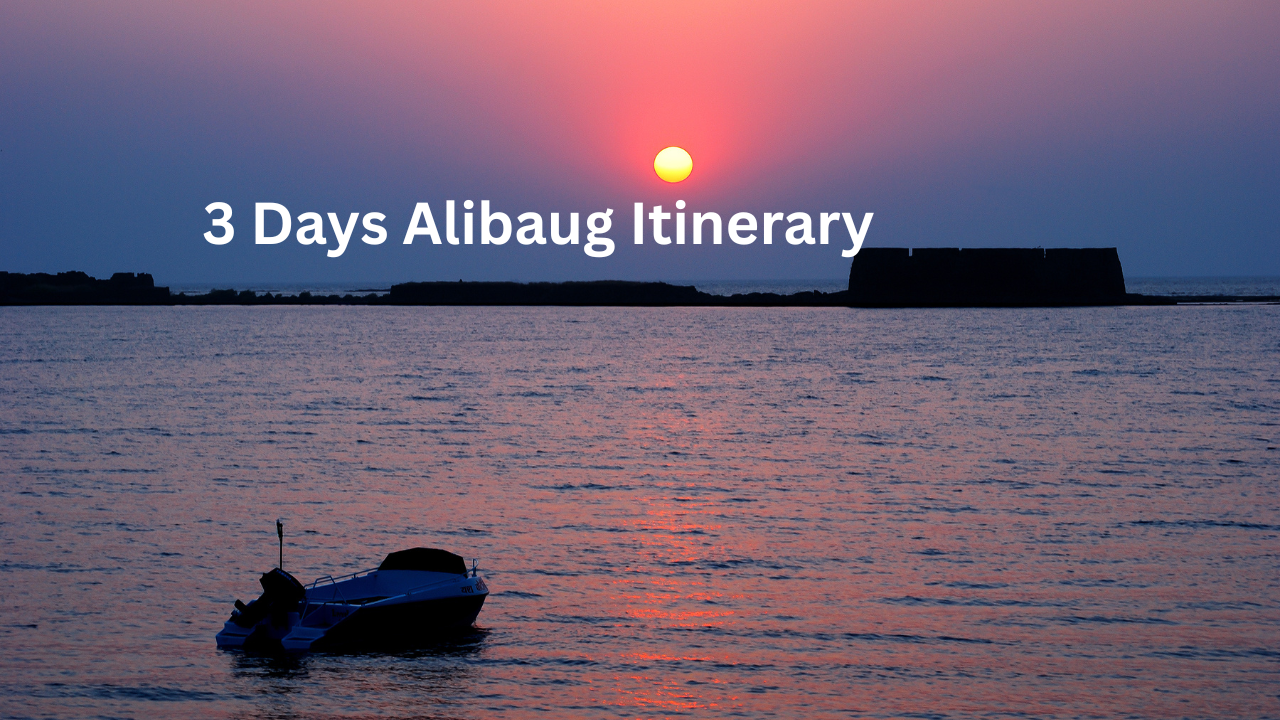
For another Maharashtra coastal style, the Alibaug guide provides a useful comparison. Ratnagiri and Ganpatipule should be chosen for the route and experience you want, not simply because a longer rail journey sounds more adventurous.
Day 1: arrive in Ratnagiri without rushing to the beach
Arrange a pickup from the correct station exit and confirm whether early room access is possible. If the train is delayed, message the property or driver as soon as you have useful information. Agree in advance how waiting is handled so a changed arrival does not become a dispute at the platform.
After checking in, have a meal and explore a small area near the accommodation. Identify breakfast options, a convenient shop and the starting point for day two. A short local outing is enough after a substantial train journey. Save the more spread-out sightseeing for when the group is rested.
Day 2: organise one coherent Ratnagiri day
Select a small combination of heritage and coastal stops according to current access and your interests. Ask a local guide or operator to explain the route rather than simply quoting a list of attractions. A good day has enough time at each place and a sensible lunch stop; it does not need the maximum number of map pins.
For historic sites, check opening arrangements and walking conditions before setting out. Exposed steps or uneven surfaces can be tiring even when the distance is short. Carry water and wear appropriate footwear. If a coastal viewpoint is windy or access is restricted, use an alternative rather than trying to reproduce a photograph from an unsafe position.
Leave the late afternoon flexible. You may want a food stop, another town walk or an early return. The benefit of a local vehicle day is that it connects selected places; it should not create pressure to keep moving until everyone is exhausted.
Day 3: transfer to Ganpatipule and change pace
Maharashtra Tourism identifies Ganpatipule as a coastal and pilgrimage destination in Ratnagiri district. Choose accommodation according to how you want to use the stay: near practical beach access, close to meals or in a property with the on-site facilities your group needs. Verify the actual entrance and parking or drop-off point.
Use the transfer day for a limited stop only if it fits naturally. Reach the room with enough time to unpack and understand the local area. Ask about current sea conditions, supervised spaces and the easiest route back in the evening. Do not assume a beachfront label means every approach is flat or well lit.
Enjoy the first evening without a compulsory activity. A walk, a simple meal and a clear plan for the next morning can be a successful start to the coastal portion of the trip.
Day 4: combine the temple setting with time by the sea
If visiting the Ganpati temple is part of your plan, check current access, worship timings and visitor expectations. Allow for queues and follow the institution’s rules on clothing, footwear and photography. Treat worshippers’ space respectfully rather than trying to maintain a sightseeing schedule through an active religious setting.
Keep the rest of the day open enough for a comfortable beach routine. Swimming and water sports depend on current conditions and local guidance. Follow lifeguards and flags, and do not treat the availability of an activity as proof that it is suitable for every participant.
You may prefer a short excursion to another nearby coastal setting, but decide whether it improves the day. Repeating a beach walk or enjoying a longer meal can offer more value than spending another afternoon in a vehicle. The itinerary is deliberately designed to permit that choice.
Day 5: work backwards from the departure train
Confirm the station transfer the previous evening and calculate when you need to leave the accommodation. Allow time for checkout, road delays, finding the platform and boarding with luggage. A station connection is not the right place to depend on a last-minute available vehicle.
Keep the final activity close and modest. If your train leaves late, ask about luggage storage and choose a meal that supports the route to the station. Do not book an excursion whose return time overlaps the transfer buffer. A calm departure protects the value of the whole holiday.
Food: make regional meals part of the trip
Ask about local dishes and ingredients instead of assuming every coastal restaurant offers the same food. Travellers with dietary restrictions should explain them clearly and confirm preparation. If you want seafood, choose a reputable place and ask about what is available rather than ordering from an impressive menu photograph alone.
Leave some room in the schedule for a longer lunch or a small food purchase from an established vendor. Avoid buying more perishable food than you can store or transport appropriately on the return journey. A regional food experience is more enjoyable when it fits your actual appetite and travel arrangements.
Budgeting for a rail-based holiday
Separate rail fares from destination costs. For two people, an example worksheet might use ₹11,200 for four room nights, ₹6,000 for meals, ₹5,500 for local and inter-base transfers, and ₹1,500 for admissions or guiding. The destination subtotal is ₹24,200. A 15% reserve adds ₹3,630, producing ₹27,830 before the return train fares.
These figures are illustrative allowances, not checked hotel or vehicle prices. Obtain a quote for the station pickup, the selected sightseeing day and the final station transfer. Ask whether the vehicle rate includes waiting, parking and driver expenses. A small number of clearly priced transfers is easier to manage than negotiating each ride under time pressure.
If you share a larger vehicle among friends, divide only the genuinely shared costs. Each person still needs food and an appropriate room arrangement. Avoid advertising a per-person saving that assumes four adults can use the same accommodation budget as two.
Packing for trains and coastal walking
Use luggage you can lift and manage without blocking aisles. Keep the main bag compact and carry documents, water and essential items separately. Footwear should work for station platforms, historic surfaces and your intended beach walks. A dry layer and protection for electronics are useful when weather changes.
The travel accessories guide can help you review everyday essentials, but the trip does not require buying a new collection of gadgets. Prioritise a dependable charging arrangement, easy-to-carry luggage and the clothing suited to the forecast.
Seasonal expectations and responsible behaviour
Maharashtra Tourism’s Ganpatipule information describes the appeal of the coast in the cooler part of the year. Use that as broad seasonal context, then check the actual forecast and local guidance. A green monsoon photograph, a winter beach evening and a summer food-focused visit are different experiences and should not be treated as interchangeable.
Keep beaches clean, respect worship spaces and avoid disturbing residents for photographs. Do not stand in unsafe train positions to record scenery or cross tracks for a better angle. The journey is part of the holiday, but ordinary rail safety still applies.
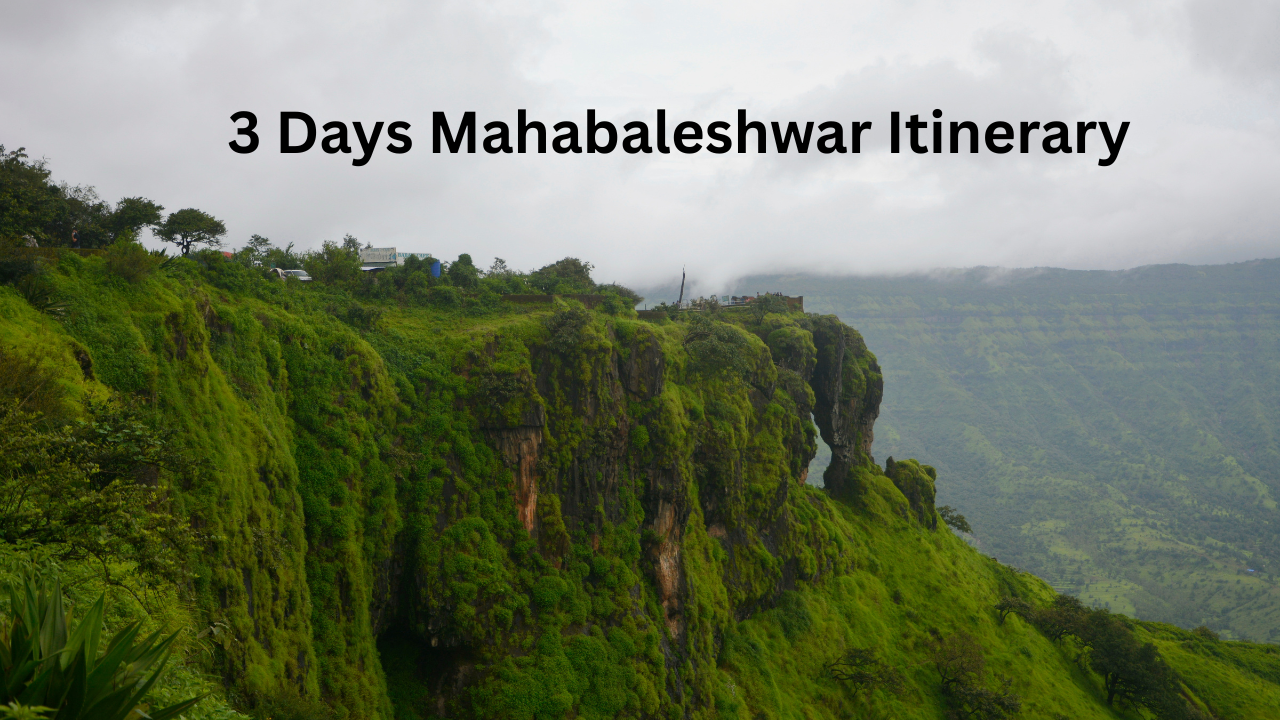
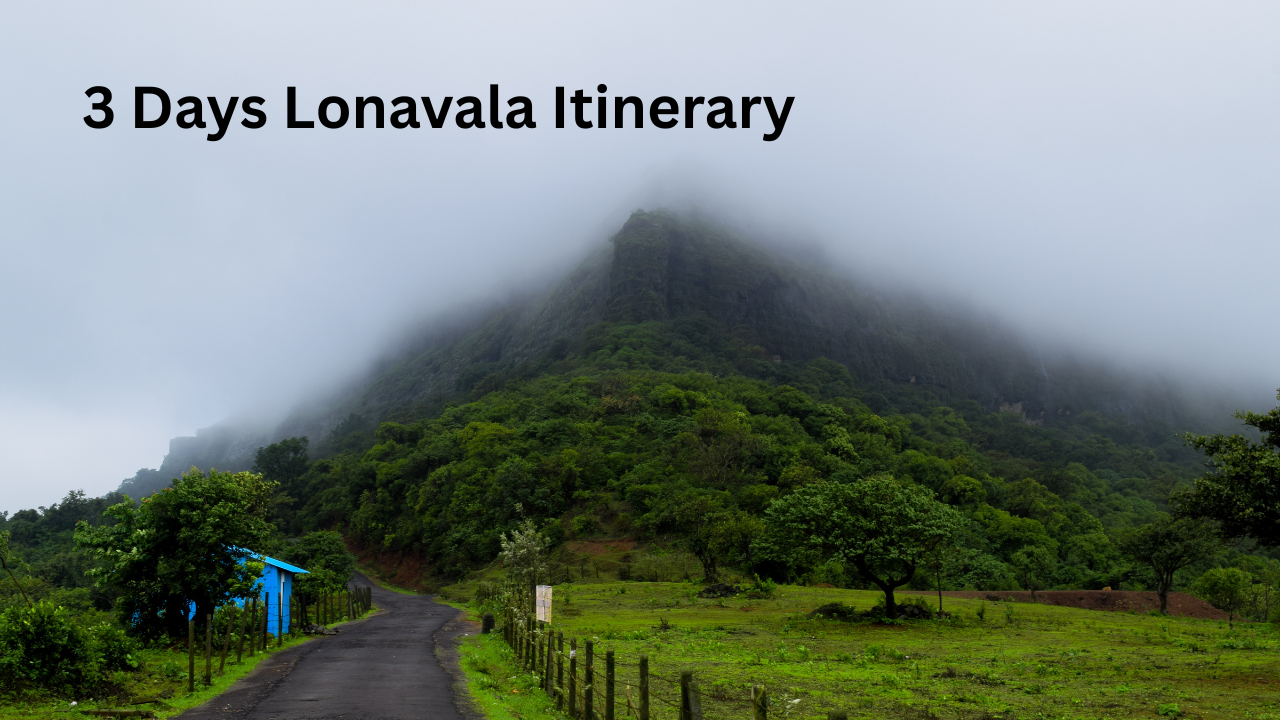
For another non-coastal Maharashtra break, the Lonavala itinerary offers a different option. Choose the region that matches your available days rather than combining distant stays simply because they are in the same state.
Frequently asked questions
Is this trip possible without a personal vehicle?
Yes. Rail can handle the main journey, while booked local vehicles cover station connections and selected sightseeing. The important step is arranging those final legs before you need them. Do not assume every accommodation is conveniently walkable from a station or bus stop.
Should I stay in Ratnagiri or Ganpatipule for all four nights?
Choose Ratnagiri for easier town-based exploration and Ganpatipule for a more beach-focused routine, depending on the actual property. Two bases provide variety; one reduces luggage movement. Compare the complete daily transport rather than deciding only by room price.
Can I add Goa to these five days?
You can extend the broader rail journey, but adding another major base inside this short itinerary reduces time in both regions. If Goa is a priority, allow additional days or make it a separate trip. The Goa itinerary can help you judge the time it deserves.
Official references
Reviewed 21 October 2026: Konkan Railway, Maharashtra Tourism’s Ratnagiri information and Ganpatipule information. This route and budget are editorial suggestions. Verify current services, access and sea conditions before booking.