Odisha offers a strong short circuit for travellers who want architecture, coastal time, food and nature in one regional holiday. The challenge is choosing a sensible sequence rather than treating every temple, beach and lake activity as a compulsory stop. Six days give you room to understand Bhubaneswar, visit Konark carefully and choose one meaningful Chilika experience without spending the entire trip changing hotels.
This suggested route uses five nights and treats active religious spaces, protected heritage and wildlife areas differently. They do not all have the same access rules or visitor expectations. A good itinerary respects those differences and remains enjoyable even when a particular interior, boat activity or weather-dependent experience is unavailable.
Quick answer: what is a practical six-day Odisha circuit?
Spend two nights in Bhubaneswar, two in Puri and one in a suitable Chilika-area base if nature is a priority. Visit Konark on a considered transfer or excursion day, and choose the Chilika side according to whether you want bird-focused or lagoon-focused activities. Confirm your final connection to Bhubaneswar before booking the lake overnight.
| Day | Main focus | Overnight |
|---|---|---|
| 1 | Arrival and a short Bhubaneswar introduction | Bhubaneswar |
| 2 | Selected heritage and cultural visits | Bhubaneswar |
| 3 | Move towards Puri with a planned Konark visit | Puri |
| 4 | Puri, beach time and a slower local day | Puri |
| 5 | Travel to the selected Chilika area | Suitable lake-side or nearby base |
| 6 | A condition-dependent nature activity and departure | Onward journey |
Choose your Chilika experience before choosing the hotel
Chilika is not one small attraction with a single entrance. Different access areas support different kinds of visit. If bird observation is your priority, discuss a suitable base and guide for that purpose. If you want another lagoon activity, confirm its starting point, route and seasonal operation separately. Do not assume a room booked on one side is convenient for every experience advertised around the lake.
Mangalajodi and the Satpada side should not be treated as interchangeable names in a package. Ask the operator to explain where you will actually go and how the journey fits with Puri and Bhubaneswar. Select one principal nature experience for this short trip instead of adding long cross-region transfers to chase both.
If the lake overnight makes the final departure awkward, return to Bhubaneswar on day five and arrange a shorter appropriate excursion instead. A protected onward journey is more useful than retaining a picturesque overnight that creates avoidable stress.
Day 1: arrive in Bhubaneswar and orient yourself
Choose accommodation according to the next day’s route and your arrival connection. After checking in, have a meal and take a short walk or a manageable introduction to the city. Do not book an intense heritage circuit immediately after an uncertain arrival. The first afternoon should help you understand the setting and recover from the journey.
Ask the property or guide about current site access and appropriate clothing for religious visits. Save transport contacts and the accommodation address offline. If the group includes children or older relatives, identify easy food options and build in a reliable rest period from the start.
Day 2: explore Bhubaneswar selectively
Choose a small number of heritage and cultural stops rather than attempting every temple name in one day. Mukteswar, Rajarani or another appropriate site can provide a focused architectural introduction, depending on current access and your interests. A local guide can explain the relationship between form, detail and use more effectively than a rapid sequence of stops.
Check entry expectations separately at active temples. Some spaces have restrictions, security requirements or worship schedules that affect visitors differently. Do not promise every member of a group identical interior access. An exterior view or another cultural visit can still provide a meaningful experience without challenging the institution’s rules.
Use the afternoon for a museum, craft-related activity or a slower local exploration when available. Confirm current opening arrangements before travelling across the city. The objective is a coherent day with time to absorb what you see, not an exhausting list completed at speed.
Day 3: visit Konark with enough attention
Arrange the transfer or excursion so Konark receives a substantial part of the day. The Sun Temple is a major heritage destination, and its architectural detail deserves more than a brief photograph beside the first feature you recognise. Check current tickets, visitor access and any conservation restrictions before beginning.
A good guide helps you look at the wider building and carved programme rather than concentrating only on the most commonly photographed details. Ask about the scope and fee before accepting guiding. Follow the site’s instructions on barriers, surfaces and photography, and avoid touching or climbing carved stone.
Leave time for lunch and the onward journey to Puri. If adding a coastal or craft stop, choose one that fits the route and the group’s energy. Do not turn a heritage day into a long chain of roadside purchases that leaves little time for the principal site.
Day 4: experience Puri at a comfortable pace
Decide how much of the day is devoted to religious interest, ordinary town exploration and the coast. Confirm current temple access directly and understand any requirements before arriving. Keep valuables, footwear and permitted belongings organised so a worship visit does not become an improvised luggage problem.
For beach time, select an appropriate supervised area and follow current lifeguard guidance. The Bay of Bengal setting should not be treated as automatically suitable for swimming because the weather is pleasant. Families should agree supervision and a meeting point before settling on the sand.
The Puri itinerary offers additional ideas, while the Puri accommodation guide helps frame room-location questions. In this six-day circuit, choose the elements that support a slower day rather than trying to reproduce a separate full Puri holiday.
Day 5: transfer towards the chosen lake base
Confirm the route, meal arrangements and the start point for the following nature activity. A locally focused stay can be rewarding, but may have fewer spontaneous dining options than a city hotel. Explain dietary needs in advance and ask about water, room facilities and early breakfast if the activity starts near dawn.
Use the afternoon for orientation and a conversation with the guide about current conditions. Ask what the group can reasonably expect to observe, how long the outing lasts and how weather changes the plan. Wildlife sightings are not a product that can be guaranteed through a higher package price.
Keep the evening quiet and prepare a small bag. An early nature outing is more enjoyable when clothing, water and equipment are ready. Avoid adding a late excursion that competes with the reason you chose the lake overnight.
Day 6: take a respectful nature outing, then protect departure
Use a reputable local guide or operator and follow instructions on boat capacity, life jackets and conduct. For bird observation, keep voices low and allow the guide to maintain an appropriate distance. Do not demand a closer approach that disturbs wildlife simply because your camera cannot frame the image you imagined.
For any dolphin-oriented activity, avoid operators who promise aggressive pursuit or guaranteed close encounters. Choose the experience for observing the lagoon responsibly, with the understanding that animals move independently. Do not feed wildlife or leave food and packaging behind.
Work backwards from the onward journey. If the return transfer to Bhubaneswar leaves little margin, shorten the morning activity or move the departure to the following day. A six-day label should not hide a risky connection between a remote activity and an expensive flight.
Craft visits and food deserve their own time
Ask about a suitable craft encounter along the route and allow enough time to understand the work. A meaningful visit should explain who makes the item, what the process involves and whether photographs are welcome. Do not assume a shop stop and an artisan workshop are the same experience.
For food, try a few regional dishes at established places and ask about ingredients. Dietary requirements should be discussed clearly rather than inferred from a dish name. Keep a dependable meal option near each base; a hungry group makes poor decisions about both transport and sightseeing.
A budget that separates shared and individual costs
For two people, an illustrative five-night allowance could use ₹15,000 for accommodation, ₹7,200 for meals, ₹10,000 for the selected road transfers and ₹4,000 for admissions and guiding. The subtotal is ₹36,200. Add 15%, or ₹5,430, to create a ₹41,630 destination allowance before travel from home.
These are editable assumptions, not checked Odisha prices. Replace the boat and guide costs with a current quote and clarify whether the rate is per person or for the full service. A nature-camp package may include meals, while a city room may not. Adjust the food line to avoid counting the same meal twice.
If you need to reduce costs, simplify the number of bases or choose fewer optional activities before removing a dependable transfer. An unclear low-price package can be more expensive once vehicle waiting, guide fees and taxes appear separately.
When to adjust the route
For a festival-focused trip, verify the actual year’s programme and ticket arrangements through Odisha Tourism. A recurring event does not guarantee identical dates, seating or transport each year. For a nature-focused trip, ask the guide about the current season rather than assuming every species or activity is available throughout the year.
Travellers with mobility concerns should request specific information about steps, temple approaches, boat boarding and room access. A route can be made more comfortable through shorter visits and an extra night, but no generic itinerary establishes that every attraction is accessible to everyone.
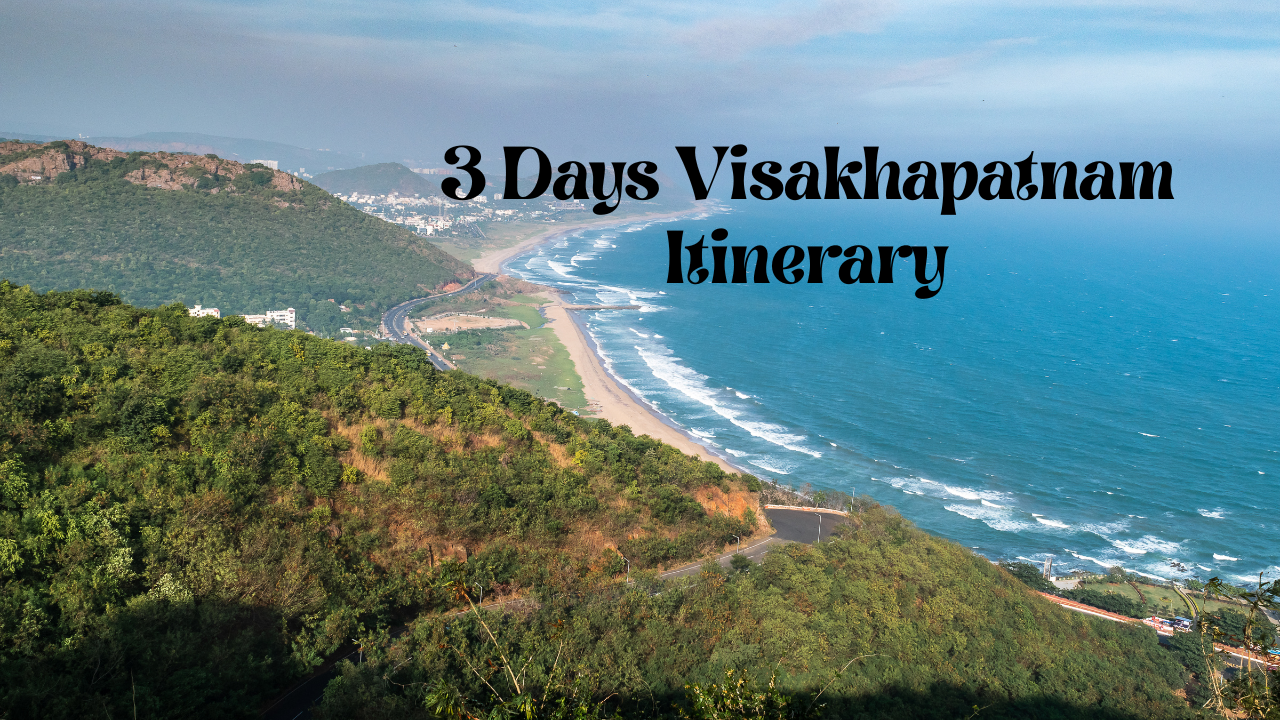
If you prefer another eastern coastal holiday, the Visakhapatnam itinerary provides a separate option. It should not be attached to this circuit without enough additional days and a practical transport plan.
Frequently asked questions
Can I stay in Puri and visit Chilika as a day trip?
That may suit some activities and access areas, but confirm the exact route and purpose. A bird-focused visit on another side of the lagoon can require a different plan. Ask where the excursion actually begins rather than booking a generic “Chilika tour.”
Is every temple open to every visitor?
No general itinerary can promise that. Active religious sites set their own visitor rules and security arrangements. Check current requirements directly, respect restrictions and keep an alternative cultural activity available when an interior visit is not appropriate or permitted.
Are six days enough?
Six days allow a selective regional introduction with five nights. Add time if you want deeper bird observation, additional museums or a slower pace at each base. Reducing the number of activities is usually better than making every morning earlier and every transfer later.
Official references
Reviewed 21 October 2026: Odisha Tourism, its Golden Triangle and Chilika route information and tourist-information offices. The sequence and budget are editorial suggestions. Verify current access, activity operations and departure connections before travel.