A car-free holiday is not a promise that you will never use a vehicle. It means you can enjoy the trip without bringing or renting a car and taking responsibility for driving. Trains can handle the main journey, while walking, public transport and selected local rides connect the parts that remain. The result can be a calmer holiday when the route and accommodation are chosen with those connections in mind.
The mistake is booking a train and assuming the rest will arrange itself. A station may be outside the sightseeing area, a beach room may involve steps and an attractive resort may require a vehicle for every meal. This guide compares seven useful trip ideas and explains how to make the final connections work.
Quick answer: what makes a destination good for a car-free trip?
Look for a practical rail arrival, accommodation near useful meals or activities, and a clear plan for the final station connection. Choose one base for a short holiday and use a local vehicle only for dispersed sights. Jaipur, Udaipur, Mysuru, Kochi, Puri, Gokarna and Hampi can all support this approach with different levels of local planning. Check current services rather than assuming every city has a convenient direct train from home.
| Trip | Best reason to choose it | Main final-connection issue |
|---|---|---|
| Jaipur | A varied city and heritage break | Dispersed sights beyond one walking area |
| Udaipur | Lakes and old-city exploration | Narrow lanes and room access |
| Mysuru | A compact cultural introduction | Selected outlying excursions |
| Kochi | Heritage neighbourhoods and water-linked city life | Choosing the right station and overnight area |
| Puri | Coast and cultural visits | Accommodation position and Konark transport |
| Gokarna | A slower beach routine | Station transfer and beach approaches |
| Hampi | Monumental landscapes and heritage | The station-to-base leg and spread-out clusters |
1. Jaipur: use the city in manageable sections
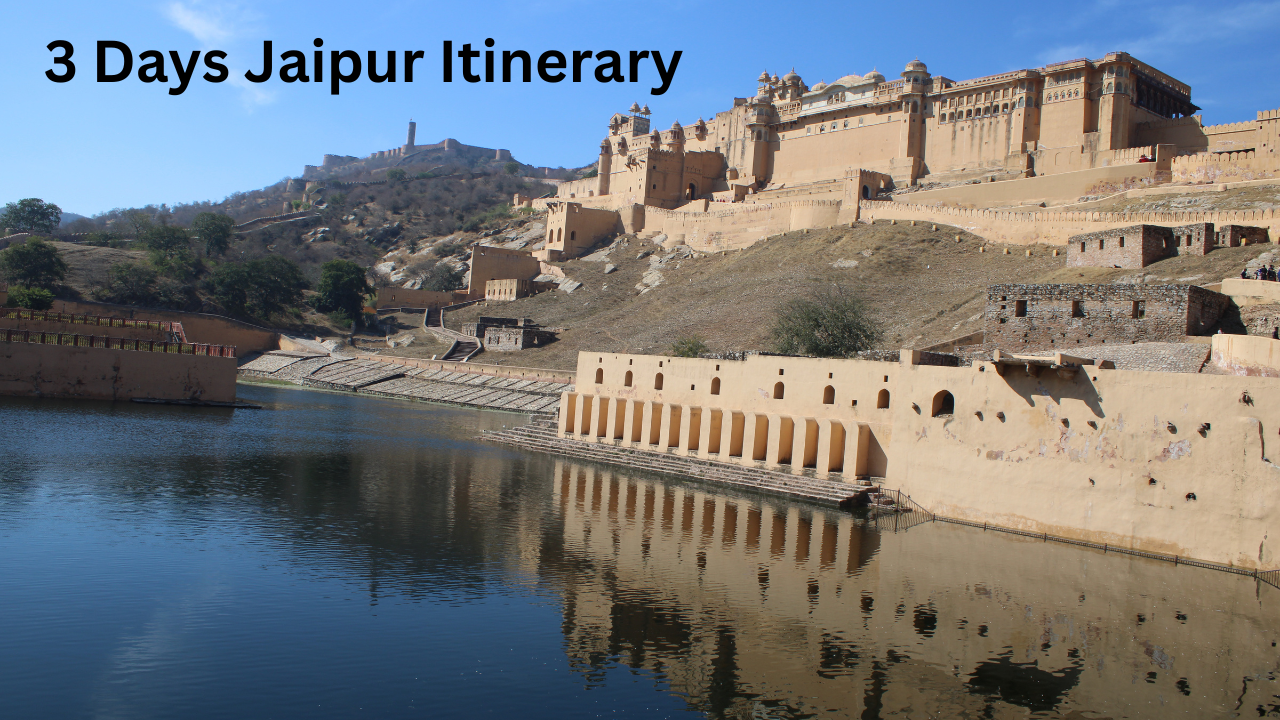
Jaipur works well when you divide sightseeing into geographical days rather than trying to walk between every major attraction. Choose accommodation with practical transport access and nearby food. Use a booked local vehicle for a dispersed heritage day if needed, then keep another day focused on a smaller urban area.
Check the actual arrival station and arrange the first transfer. A city having several rail connections does not mean every service stops at the point most convenient for your room. Ask the property about vehicle drop-off, luggage and the simplest approach.
The Jaipur three-day guide provides a useful starting structure. Select the sights you value and group them sensibly. A car-free trip should reduce the work of moving around, not replace driving with an exhausting attempt to walk everywhere.
2. Udaipur: choose access as carefully as the view
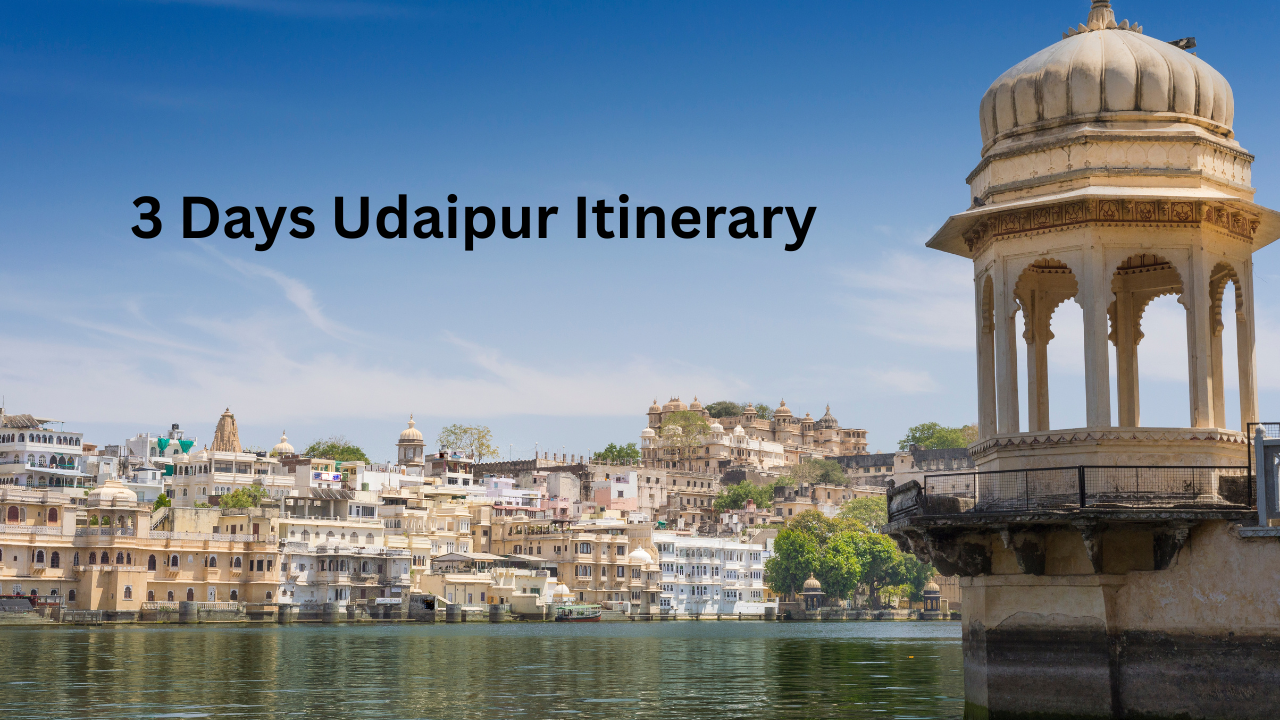
Udaipur suits a base-and-walk approach around selected old-city areas, with local rides for more distant stops. The key accommodation question is how you reach the actual room from the vehicle drop-off. A beautiful rooftop can involve stairs and narrow lanes that matter when you arrive with luggage.
Choose a location that makes returning for a rest easy. For a short stay, nearby meals and comfortable walking can be more useful than a remote property with a larger room. If you want a particular water activity, check the current boarding point and operating arrangements separately.
The Udaipur itinerary helps you identify a sensible daily focus. Do not assume every lake-area attraction fits into one continuous walking loop. Use local transport for awkward connections and preserve the enjoyable parts of walking.
3. Mysuru: keep the city break focused
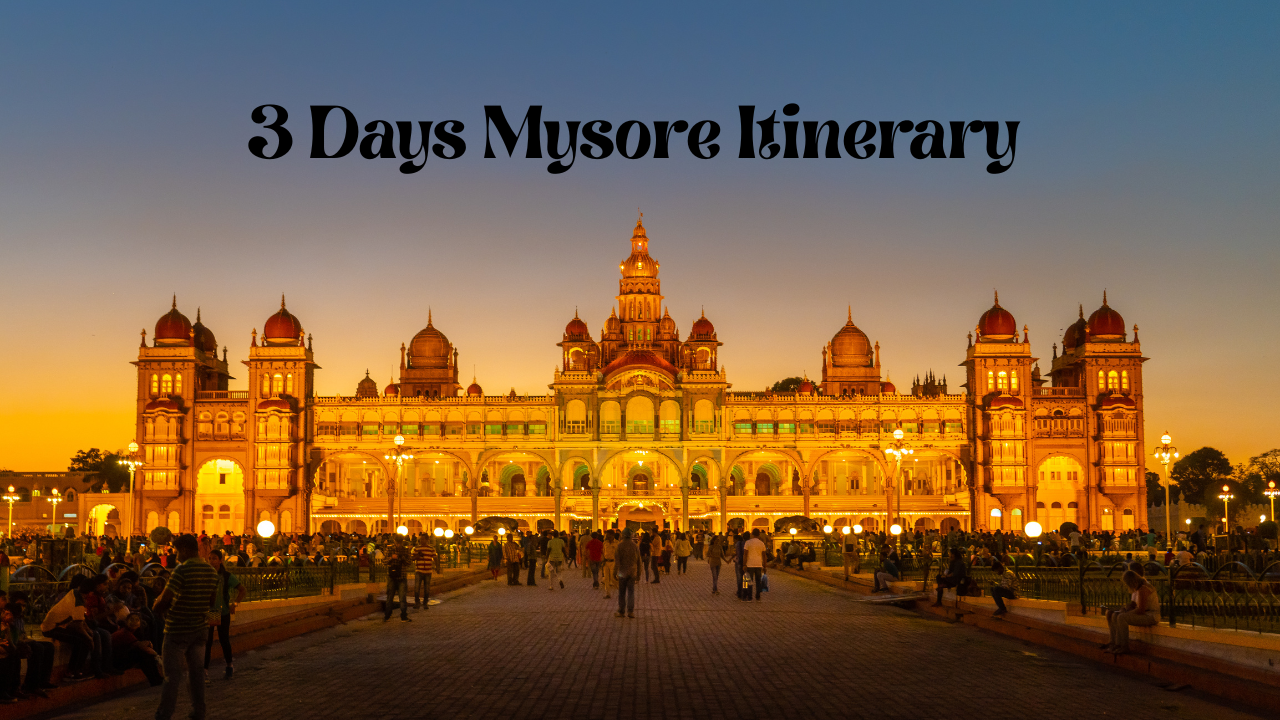
Mysuru can support a short cultural holiday with a manageable core and selected local transfers. Choose a base according to the places you want to visit and the actual rail arrival. A central address is useful only when its surroundings and access work for your group.
Build one day around the main city sights and another around a chosen outing or slower exploration. Check current opening arrangements before booking a timed activity. If adding an outlying attraction, compare a local vehicle for that specific trip with hiring transport for the whole stay.
Use the Mysore three-day itinerary for ideas. The car-free advantage is that everyone can share the journey and arrive without driving fatigue. Keep the programme comfortable enough that the holiday does not simply exchange road tiredness for an overloaded sightseeing schedule.
4. Kochi: match the station to the neighbourhood
Kochi rewards travellers who understand the relationship between the rail arrival, mainland areas and their chosen overnight neighbourhood. Fort Kochi may suit heritage walking, while another base may simplify a particular arrival or departure. Compare the complete connection rather than choosing the room first and solving the journey afterwards.
Public water transport can add interest when the current route fits your needs. Check the boarding point, service type and return timing. An ordinary passenger journey and a sightseeing cruise are different products, even when both use a boat.
Plan a focused heritage day and leave time for meals and a slower walk. You do not need to cross the city repeatedly to make the stay worthwhile. Ask the host for the easiest current route and keep a practical alternative if a service changes.
5. Puri: combine one base with a selected excursion
Puri can work as a coastal base with local cultural visits and a separately arranged Konark outing. Choose accommodation according to the daily routine you want, not only proximity to a famous name. Check beach access, meals, room position and the route from the station.
Religious visits require current access information and respect for the institution’s rules. Beach time requires separate attention to sea conditions and lifeguard guidance. A destination can provide both experiences without either being treated as an unrestricted activity available in the same way to every visitor.
For a short car-free stay, a single well-planned excursion can be enough. Avoid adding multiple distant stops to the same vehicle day. The purpose is a coherent coastal holiday, not proving how many places can be reached before dark.
6. Gokarna: the right beach base matters more than a scooter
Gokarna is possible without renting a scooter when you choose accommodation with a practical approach and arrange a few local transfers. Ask about steps, luggage assistance and the return after an evening outing. A property beside a beach may be less convenient for one traveller than a town room with easier access.
Use one beach area per half-day and make the coastal trek optional. A path linking beaches may include uneven or exposed ground, so assess the current route and your group’s ability. Road transport between appropriate approaches is a reasonable alternative.
Before a remote outing, agree where and when the vehicle will collect you. Do not depend on finding transport after dark at an unfamiliar location. A car-free holiday still needs a return plan.
7. Hampi: organise heritage clusters rather than walking everything
Hampi’s landscapes and monuments are spread across different areas. Arrive through a suitable current rail connection and arrange the final transfer to the actual accommodation. Confirm which side of the river the property occupies and how the route reaches it; map distance alone does not explain crossing arrangements.
Choose one cluster for the morning and use local transport when it improves the day. A guide can provide context and help you avoid inefficient movement. Carry water and use footwear suited to historic surfaces and exposed walking.
A car-free visit works because you do not have to drive yourself, not because every monument is close enough to reach comfortably on foot. Keep a rest period and leave optional sights out when the day becomes tiring.
The five-part final-connection check
Before paying for accommodation, identify the exact arrival point, the transfer method, the pickup meeting place, the route from drop-off to room and the departure arrangement. These five details solve many problems that a destination-level itinerary cannot. Obtain a specific answer when a property describes access vaguely.
Ask whether the vehicle price covers the whole car or each passenger, and whether waiting or parking is extra. If arrival is early, confirm luggage storage or room access. If departure is late, plan where the bags stay and how you return to collect them.
Keep the property address and driver contact offline. A station arrival is an inconvenient time to discover that the booking is stored only in an email account you cannot currently access.
Compare complete budgets, not train fares alone
Include return rail travel, accommodation, meals, local movement, admissions and a reserve. A cheap train can lose its advantage if it arrives at an awkward hour requiring an extra room night and a costly transfer. Conversely, a slightly higher fare at a better time may preserve a full useful day.
For an illustrative three-night holiday for two people, set aside ₹8,400 for the room, ₹4,200 for food, ₹3,500 for local travel and ₹1,500 for activities. The destination subtotal is ₹17,600. A 15% reserve adds ₹2,640, giving ₹20,240 before the actual return train fares. These are editable spending inputs, not checked prices for all seven destinations.
Replace the final-connection costs with quotes for your chosen base. Do not assume a rail-based trip has zero local transport expenditure. The better comparison is with the complete cost and effort of driving, including parking and the driver’s energy, rather than fuel alone.
Make luggage and walking work together
Pack what you can manage through the stations and accommodation approaches you will actually use. A small bag is especially useful where rooms involve stairs or narrow lanes. Keep water, documents and essential personal items separate so the main case can remain closed during the journey.
For families, agree who handles each bag and whether a child can walk the final approach comfortably. For older travellers or people using mobility aids, ask about platform assistance, property steps and local vehicle access through the relevant service providers. A generic car-free label does not establish accessibility.
Check current services and keep a fallback
Use official railway information and the booking channel’s current timetable rather than an old blog screenshot. Confirm the train number, date, boarding point and destination station. Special services or seasonal operating changes should not be assumed to repeat automatically.
Keep the first activity flexible and protect the return connection. If a delay changes arrival, tell the property or pickup operator early. A good itinerary can absorb an ordinary disruption without making every later booking fail.
Frequently asked questions
Does car-free mean I must avoid taxis and autos?
No. It means you can take the holiday without operating your own vehicle. Selected local rides may make the route much more comfortable. The aim is a workable combination of transport, not a rule that forces unnecessary walking.
Which option is best for a first rail holiday?
Choose the destination with the best actual service from your city and the simplest accommodation connection. A smaller attraction list and a well-positioned room are often more useful than choosing the most fashionable destination. Start with a route that leaves enough time at the destination.
Can I plan the local transfers after arrival?
Some ordinary rides can be arranged locally, but the first and final connections deserve advance planning when timing, luggage or access is important. Confirm remote evening returns before leaving. Flexibility is useful when the essential parts are already dependable.
Official planning references
Reviewed 21 October 2026: Konkan Railway, Rajasthan Tourism, Kerala Tourism and Karnataka Tourism’s Gokarna information. The destination selection and transport strategy are editorial suggestions. Check the current service from your own city and the specific final connection before booking.