Hornbill Festival is a strong reason to plan a cultural holiday in Nagaland, but the festival works best when you give its setting as much attention as its headline performances. Accommodation, traffic, permissions and the return from an evening programme can shape the trip more than the number of events you manage to attend. A thoughtful visit leaves time to listen, eat, ask questions and understand what you are watching.
Nagaland Tourism currently lists the 2026 festival for 1–10 December. This guide explains how to plan a first visit around that published window without pretending that every daily performance, transport service or ticket arrangement has already been confirmed. Check the official programme again before paying for an event-specific booking.
Quick answer: how many days should you allow for Hornbill?
Allow four or five nights for an arrival day, two festival-focused days and one slower cultural or local exploration day. Choose accommodation according to access to Kisama and your evening plans, not only room photographs. Verify the correct travel permissions for your nationality and route. Festival dates do not automatically confirm every concert, shuttle or ticket inclusion advertised by a third party.
Confirm the dates and distinguish the venues
The official tourism site lists Hornbill Festival for 1–10 December 2026. Its event information describes a ten-day celebration of Nagaland’s cultural heritage, and the main heritage-village setting is Kisama near Kohima. Additional programmes may have their own venues and timings. Read each event listing individually instead of assuming one ticket or one arrival point covers the entire festival.
Older schedules remain visible online. They can help you understand the types of activities a festival may include, but they are not a 2026 timetable. Do not book a specific evening on the basis of a previous year’s poster. Save the current organiser page and check it again close to departure for changes or clarifications.
| Planning choice | Why it matters |
|---|---|
| Two festival days | Lets you experience more without rushing one long day |
| An arrival buffer | Protects the main visit from a delayed incoming journey |
| A confirmed return ride | Avoids improvising transport after an evening event |
| A suitable room location | Reduces daily traffic and difficult luggage approaches |
| Current permission checks | Prevents assumptions based on an old festival exception |
Travel permissions: check the current rule for you
Nagaland’s official Inner Line Permit portal is the starting point for travellers who need an ILP. Requirements depend on the visitor category and route, so follow the current government instructions and submit the required documents through the appropriate channel. Do not assume that a hotel booking or a festival package replaces the necessary permission.
Foreign visitors should check the current Protected Area Permit requirements with the relevant authorities. The official portal still displays a specific relaxation associated with the 2025 festival; that dated notice should not be treated as permission for December 2026. Verify the applicable rule for your own travel dates instead of extending an old exception by inference.
Keep approved documents accessible offline and carry the identification required for your journey. If an operator says it will arrange permissions, ask exactly what it handles and when you will receive the documents. Review names, dates and coverage before departure rather than discovering an error at a checkpoint.
Choose a base that supports the visit you want
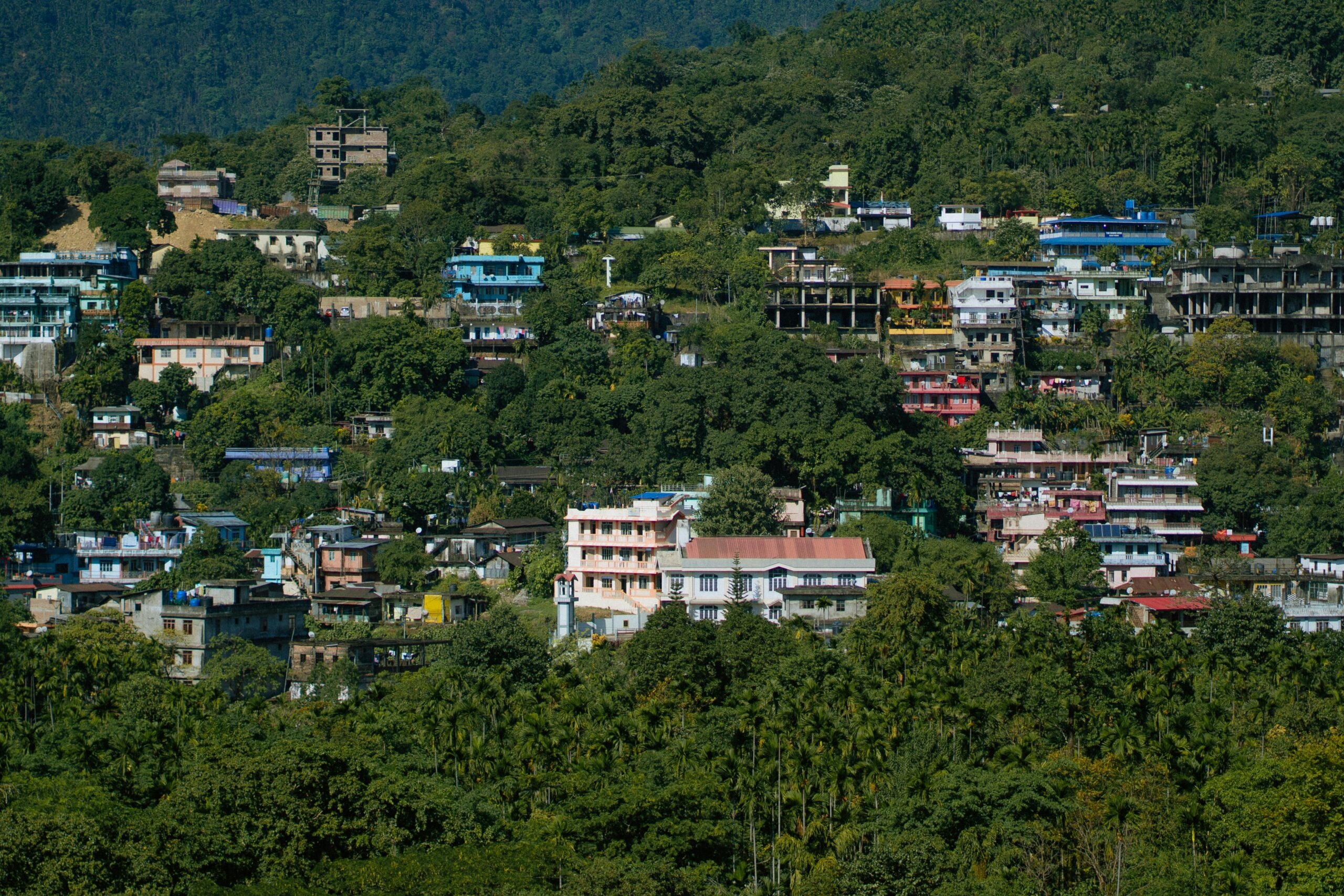
A Kohima base can be convenient for city activities, food and services. A stay closer to Kisama may reduce part of the daily travel but can offer different evening options. Ask about the actual route, pickup access and expected travel conditions during the festival. A short map distance does not guarantee a short vehicle journey when many visitors are moving at once.
For a homestay, confirm room and bathroom arrangements, heating or bedding, meals, check-in and vehicle access. Ask whether the quoted room is private and whether the price includes any food or transfers. Families and groups should agree the bed configuration before payment rather than assuming extra people can be accommodated comfortably.
Book through an identifiable property or operator and keep the cancellation terms. Festival demand can make attractive last-minute offers tempting, but a payment screenshot is not a complete reservation. Obtain the address, direct contact, room category and a clear confirmation of the dates.
A suggested five-day structure
Day 1: arrival and a quiet start
Position the arrival day around reaching your accommodation safely and comfortably. Confirm the airport or station pickup, allow for the onward road journey and avoid placing a time-specific festival event immediately after landing. Once settled, ask the host about the next morning’s departure and where the vehicle can meet you.
Use dinner to understand practical food options and discuss any dietary needs. Pack a small day bag with layers, water, documents and the items you will need at the festival. An early night is a useful investment when the following day involves walking, crowds and a long period away from the room.
Day 2: make the main heritage venue the priority
Arrive with a flexible idea of what interests you rather than a plan to photograph every activity. Read current notices, identify the appropriate visitor areas and leave time for cultural displays, craft stalls and food. Ask permission before close-up portraits or recording an interaction, particularly when someone is working or performing a role with cultural significance.
Take breaks. A festival day can become tiring through standing, sun exposure, noise and repeated movement even when no single walk is demanding. Agree a meeting point if your group separates and keep a simple communication plan in case networks are busy.
Day 3: return for a different focus
Use the second festival day to follow interests that emerged on the first: a craft process, a particular food tradition or a performance you want to understand better. A return visit can be more rewarding than trying to add a distant sightseeing circuit simply to increase the destination count.
If you plan an evening programme, verify its venue, ticket and return transport separately. Ask the driver or operator how pickup works when streets are busy. Do not assume your daytime vehicle booking automatically includes a late-night return or unlimited waiting.
Day 4: add a slower local experience
Choose a guided village visit, a city-based cultural walk or another locally appropriate activity according to current access and your interests. Agree the host or guide’s fee and the expected conduct before the visit. Do not arrive at a community expecting residents to demonstrate private daily activities on demand.
Keep the outing moderate enough that you can organise departure calmly. If the group wants a demanding trek, consider adding more time and arranging a separate properly supported trip. The festival visit should not require squeezing a substantial mountain walk into the spare half-day after several busy events.
Day 5: depart without a final rushed excursion
Check the return route the previous evening and keep enough margin for the road connection. Settle accommodation and transport charges before the last minute. Keep identification, permit documents and booking details together so you are not searching multiple message threads while the vehicle waits.
If your departure is late, use the spare time close to your base. A long final excursion offers little value if it places a major onward journey at risk. The most useful last-day souvenir may be a considered purchase from a maker you met earlier, rather than a hurried market sweep.
Food, photography and respectful participation
Ask about ingredients and preparation when you have dietary restrictions, and avoid assuming one dish represents all Naga communities. Try food because you are curious, without turning someone else’s everyday cuisine into a reaction performance. A clear question and a willingness to listen usually create a better encounter than a rapid series of photographs.
For portraits, ask first and accept a refusal without negotiation. Do not interrupt a performance to arrange a pose or block someone else’s view for extended recording. If you share images later, identify people or traditions only when you have reliable information. An attractive caption is not worth inventing a cultural explanation.
Pay fairly for guiding, demonstrations and products you choose. Check whether a price includes delivery or packaging for fragile purchases. Carrying fewer carefully selected items can be more satisfying than buying impulsively because the trip is nearing its end.
Budget around the festival, not an ordinary weekday
Obtain actual accommodation and vehicle quotes for the published festival dates. Split the worksheet into long-distance travel, the onward road transfer, room nights, daily venue travel, meals, tickets and guiding. Keep shopping separate so it does not disguise the operational cost of the trip.
As a planning exercise for two people, four room nights at a chosen allowance of ₹4,000 produce ₹16,000. Add ₹14,000 for shared local and arrival transfers, ₹6,000 for food and ₹4,000 for tickets or guiding, giving ₹40,000 before travel from home. A 20% reserve adds ₹8,000. These are illustrative assumptions, not current festival rates or a bookable package.
Use quotes to replace the inputs and check whether meals or venue transfers are already included. Avoid counting an included transfer twice. If the total is too high, reduce additional excursions or shorten the distance from the base rather than relying on unconfirmed transport after an evening event.
What to pack and verify before leaving
Bring comfortable walking footwear, layers for evenings and a compact rain shell according to the forecast. A small bag is easier to manage in crowded areas than a large camera pack. Carry water and a charging reserve, but keep equipment proportionate to what you will actually use.
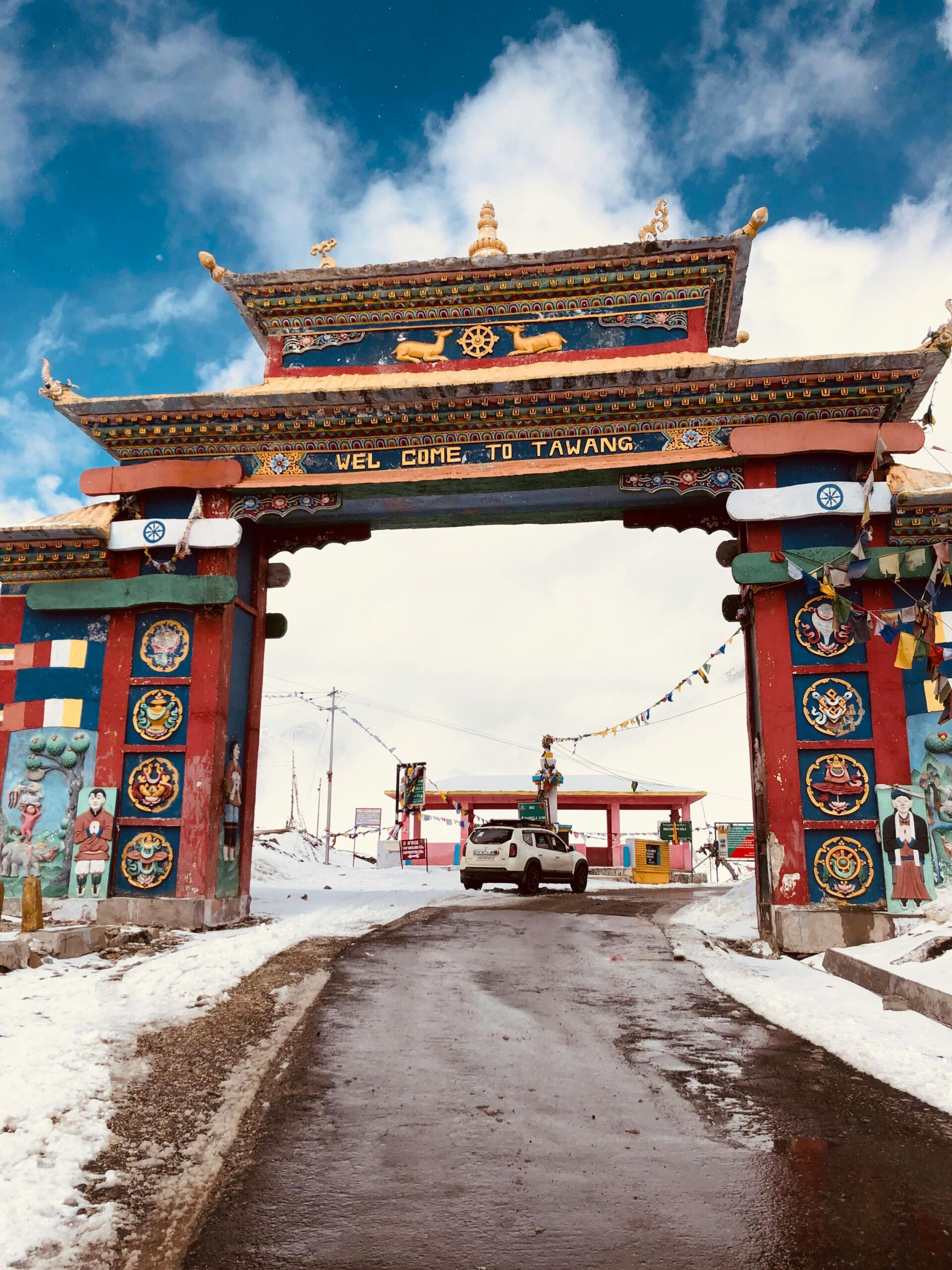
Before departure, verify the current programme, room reservation, permission documents, arrival pickup and return connection. Share the broad plan with someone at home. For general regional planning, the Shillong guide and Tawang itinerary offer other Northeast trip ideas, but those destinations should be separate extensions with enough additional time, not automatic festival day trips.
Frequently asked questions
Are the 2026 festival dates confirmed on the tourism website?
As checked on 21 October 2026, Nagaland Tourism lists 1–10 December 2026. Check the official site again before booking and near departure. Individual event programmes and transport arrangements may have separate announcements or changes.
Should I book a package or arrange the trip independently?
Choose according to the support you need. A clear package can simplify rooms and daily transport, while independent planning offers more control. Compare named accommodation, permission assistance, transfers and exclusions in writing rather than choosing only by the advertised per-person price.
Can I rely on an old foreign-visitor permit relaxation?
No. A dated exception applies only within its stated scope. The official portal’s 2025 festival notice should not be extended to 2026 without a current announcement. Verify the applicable requirements with the authorities for your nationality, route and dates.
Official references
Checked 21 October 2026: Nagaland Tourism, Hornbill Festival information and the Nagaland ILP portal. The five-day plan and budget inputs are editorial suggestions. Follow current official permission and event instructions before travel.