The Rann of Kutch and Jaisalmer can both produce memorable winter holidays, but they offer different kinds of desert experience. Kutch is about a vast salt landscape, regional crafts and a network of towns and villages. Jaisalmer combines a historic city with sandstone architecture and excursions towards sand dunes. Choosing between them becomes easier when you separate the landscape you want from the trip you can comfortably organise.
This comparison is for a first desert holiday of roughly four or five days. It focuses on the practical decisions that change the experience: where you sleep, how much transport you need, what happens after sunset and whether the group enjoys culture, scenery or organised activities most.
Quick answer: Kutch or Jaisalmer?
Choose Kutch for the white salt landscape, artisan visits and a wider regional road trip. Choose Jaisalmer for a historic city, fort-area exploration and a more familiar sand-dune excursion. Neither destination guarantees solitude, a particular sunset or a quiet camp. Compare arrival routes, overnight locations and the full activity package before deciding. For a short break, choose the destination with the simpler journey from home.
| Decision | Rann of Kutch | Jaisalmer |
|---|---|---|
| Landscape focus | White salt expanse and regional variety | Sandstone city and nearby dune areas |
| Useful base strategy | Bhuj plus a selected desert-side stay | City stay plus an optional camp night |
| Strong cultural angle | Craft processes and village encounters | Architecture, historic lanes and local performance |
| Main transport issue | Distances between regional stops | Transfers between city and dune location |
| Common disappointment | Treating the region as one sunset stop | Booking a noisy camp expecting isolation |
Understand what each destination actually includes
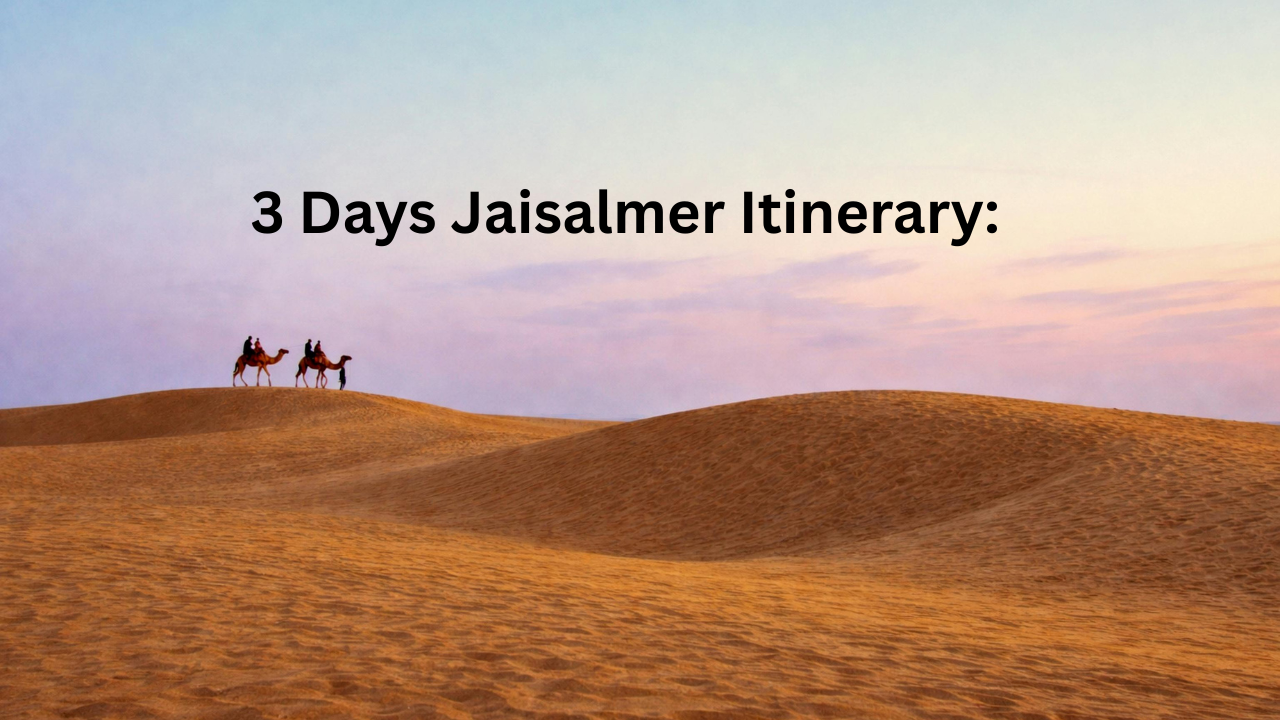
The white Rann is not a sand-dune landscape. If your imagined holiday centres on rolling dunes, that expectation points towards the Jaisalmer region. If you want the visual contrast of a pale salt expanse and are interested in Kutch beyond the viewpoint, the Gujarat trip may fit better. Photographs can make both landscapes look interchangeable when they are not.
Jaisalmer is also more than a camp transfer. A city-based stay lets you spend time with its architecture and everyday streets before heading out towards the dunes. In Kutch, an equivalent mistake is passing through Bhuj without giving the region’s craft traditions meaningful time. Your strongest itinerary should include the place around the famous image.
Choose by the time you genuinely have
With three nights, Jaisalmer can work as two city nights and one optional camp night, depending on arrival and departure times. You can also stay in the city throughout and arrange an excursion without moving luggage. That is often easier for travellers who dislike changing rooms or need dependable access to familiar facilities.
For Kutch, four or five nights give more freedom to divide time between Bhuj, the desert side and another regional stop. A shorter holiday can still work, but it needs a more selective route. Do not assume that a craft village, an archaeological excursion, a beach and a sunset visit all fit comfortably into the same day.
Compare the Kutch three-day guide with the Jaisalmer itinerary. Use the pages to identify the experiences you value, then rebuild the daily plan around your actual transport rather than copying every stop.
A four-night Kutch structure
Spend the first night in Bhuj after an easy arrival afternoon. Use the following day for one coherent cultural route, with enough time to understand a craft process and speak with the people doing the work. Return to the same base rather than changing hotels immediately after a long journey.
On the third day, move towards your selected desert-side accommodation and confirm the evening access arrangements. Keep the afternoon flexible and carry the clothing you need after temperatures fall. Decide in advance whether the package includes a guide, transfers, meals and any event access, because a tent photograph alone tells you very little about the service.
Use the fourth day for another regional experience or a slower return towards Bhuj. Avoid leaving a remote transfer until the morning of a tightly timed flight or train. The final night should support a reliable departure, even if that means giving up one additional landscape stop.
A four-night Jaisalmer structure
Use two city nights to explore the fort area, selected havelis and local streets without rushing. A guided morning can provide context, followed by free time for food and photography. Check where vehicles can drop you near the accommodation and whether the route involves stairs, especially when travelling with older relatives.
Make the third night an optional camp experience. Choose the location and programme according to your expectations: a lively evening with performance and music is different from a quieter landscape stay. Ask when amplified sound ends, what the sleeping arrangement is and whether the bathroom is attached to the actual tent category you are booking.
Return to the city for the fourth night if it improves departure reliability. You can also keep all four nights in town and book a clearly specified sunset outing. A camp overnight is a choice, not a requirement for having visited the desert.
Camp packages: compare the details that matter
Ask for a complete written inclusion list. Check room or tent category, meals, drinking water, transfers, taxes, activity duration and pickup location. “Desert safari included” is too vague to compare: it may describe a brief shared ride, an animal activity or something else entirely. Choose only activities you are comfortable with and ask how the operator handles safety and welfare.
Look beyond the advertised entertainment. Ask about heating or bedding, charging facilities, bathroom water, emergency contact and access for a vehicle. If anyone in the group needs a particular sleeping arrangement, communicate that before payment. A campsite may be enjoyable without delivering the facilities implied by a luxury label.
Read recent reviews for the specific camp and room type. Pay attention to repeated comments about noise, misleading locations or unexpected charges. A perfect review average is less useful than a consistent description of the experience you actually want.
Permissions and current local access
For Kutch, verify current access and permit arrangements through official tourism information and the relevant local authorities. Ask the accommodation how its transfer route connects to the designated visiting area. Do not treat a previous visitor’s screenshot as a current permission document or assume every remote location can be approached independently.
For either region, military areas, private land and restricted routes should not become detours for a photograph. Follow local signs and authorised guidance. Drone ownership does not create permission to fly; check the applicable rules and any additional location restrictions before considering aerial photography.
Festival programmes and full-moon promotions also require date-specific checking. A calendar can tell you a moon phase, but not whether cloud, access, lighting or the landscape surface will produce the image you expect. Book a trip you would still enjoy if the sunset is subdued.
Food, crafts and respectful encounters
In Kutch, choose fewer craft stops and allow more time at each. Ask whether a demonstration has a fee, whether photographs are welcome and who made the item you are considering. Buying directly can be rewarding, but a visit should not become an uncomfortable obligation to purchase. Be clear and courteous if you only want to learn.
In Jaisalmer, balance sightseeing with ordinary food and neighbourhood time. Avoid treating the occupied city as a film set: keep lanes passable and ask before photographing people at work or worship. If you attend a performance, understand whether it is included in your package and what additional payment, if any, is expected.
Both trips become more interesting when you budget for a good local guide or a meaningful cultural activity instead of spending everything on the most photogenic room. That is an editorial choice about trip quality, not a claim that one region’s culture is more authentic than another’s.
Build a comparable budget
Create two quotes with the same group size, number of nights and comfort requirements. Include arrival transfers, regional vehicle time, city accommodation, camp accommodation, food and activities. Keep the return journey from home as a separate line so you can see whether the difference comes from the destination or from reaching it.
For example, two travellers might allocate ₹12,000 to four room nights, ₹7,000 to local transport, ₹6,000 to food and ₹3,000 to admissions or guiding. The subtotal is ₹28,000; a 15% reserve adds ₹4,200. That creates a ₹32,200 destination allowance for the pair before long-distance transport. These are illustrative inputs, not checked prices for Kutch or Jaisalmer.
Now replace every line with real quotes. A package with meals included should reduce the separate food line; otherwise you will double-count. A camp night replacing a city night should replace that accommodation entry rather than being added on top of it. This simple comparison is more reliable than a headline “trip under” amount.
Which is easier for different groups?
Couples wanting a mix of architecture and an evening excursion may find a city-first Jaisalmer plan straightforward. Friends interested in a longer regional drive, workshops and varied stops may enjoy Kutch. For families, the decisive factors are often bathroom access, journey length, meal predictability and the ability to return to a comfortable base.
Solo travellers should compare shared transport availability and the real cost of private transfers. A lower room rate can be offset by paying alone for a long vehicle day. Ask about pickup and return arrangements before agreeing to an evening outing, and keep a written contact for the operator rather than relying only on a driver’s first name.
Packing and timing mistakes to avoid
Pack layers for an outdoor evening, sun protection for daytime, closed footwear and a bag that protects electronics from dust. Keep water and essentials accessible rather than buried in the main luggage. Plan arrival before dark when unfamiliar rural transfers are involved, especially if the accommodation is outside a populated centre.
Avoid overloading the final day. A memorable desert holiday needs enough spare time to manage a delayed vehicle, a longer meal or a change in conditions. If every hour is committed to an attraction, the trip has no room to function normally.
Frequently asked questions
Can I combine Kutch and Jaisalmer in one short holiday?
It is usually a poor fit for four or five days because the transfer competes with the experiences you travelled for. Combine them only when you have substantially more time and want the road journey itself. For a first short trip, choose one region and explore it properly.
Is an overnight desert camp essential?
No. You can enjoy both regions while using comfortable town accommodation and a carefully arranged excursion. Stay overnight only if the camp experience itself appeals to you and the facilities suit your group. Do not pay for a package simply because an itinerary says it is compulsory.
Which destination is cheaper?
There is no dependable winner without your departure city, dates and accommodation needs. Peak-event demand, private transfers and package inclusions can change the result. Compare complete quotes on the same basis, and keep a reserve for transport or activity changes.
Official references
Checked 21 October 2026: Gujarat Tourism and Rajasthan Tourism’s Jaisalmer information. Suggested routes and spending examples are editorial planning tools. Confirm current access, package terms and transport for the exact dates you choose.