A first Sikkim holiday becomes easier when you choose a region carefully and leave room for mountain travel to take its own time. Gangtok and Pelling provide a varied introduction through town life, monasteries and mountain scenery without requiring a fast-moving North Sikkim circuit. The route still involves meaningful road journeys, so a sensible plan counts transfer days honestly and protects the return connection.
This suggested seven-day itinerary uses six nights, including a final night positioned near the departure gateway. It is designed for travellers who prefer a smaller number of bases and a flexible sightseeing list. It does not promise snow, a clear mountain view or access to a particular protected excursion on demand.
Quick answer: how should you divide a Gangtok–Pelling week?
Spend two nights in Gangtok, three around Pelling and the final night near a practical departure gateway when that improves reliability. Use one full day in each main base for selected sightseeing and keep another Pelling day flexible. Verify current roads, travel permissions and onward services before booking. Add protected-area excursions only after confirming eligibility and the extra time they require.
| Day | Focus | Overnight |
|---|---|---|
| 1 | Gateway arrival and road transfer | Gangtok |
| 2 | Gangtok and a selected local cultural visit | Gangtok |
| 3 | Transfer towards Pelling | Pelling area |
| 4 | Monastery and heritage-focused day | Pelling area |
| 5 | Flexible local outing or slower day | Pelling area |
| 6 | Return towards departure gateway | Suitable gateway base |
| 7 | Onward journey | Departure |
Why this route leaves out North Sikkim
North Sikkim has its own access, altitude, weather and permit considerations. Adding it to Gangtok and Pelling inside one week can create a demanding chain of drives and short stays. If the northern valleys are the main purpose of your trip, plan a different itinerary with current specialist advice instead of treating them as another day trip.
The same principle applies to a high-altitude excursion from Gangtok. Availability, eligibility and current conditions need to be checked separately. This route is useful because it offers a complete week without depending on that add-on. A holiday should still work when an optional excursion cannot operate.
Choose the gateway using the complete journey
Compare the rail or air services that actually suit your dates, then add the road connection into Sikkim. The nearest airport on a map is not automatically the most practical arrival if its services do not match your journey. Check the arrival time, driver availability and where the accommodation can receive you.
Ask the operator about the currently recommended route and any known disruptions. Avoid booking an incoming journey that forces a difficult late transfer merely to save a small amount. If arrival is delayed, it may be better to adjust the overnight arrangement than pressure a driver to recover the schedule.
Save the driver’s contact, vehicle details and hotel address offline. Confirm how a change in arrival time affects the booking. A clear written agreement about waiting and cancellation prevents a stressful negotiation after a delayed flight or train.
Day 1: reach Gangtok and stop adding activities
Treat the road transfer as the main task of arrival day. Once you reach the property, eat, rest and understand the immediate area. Ask how far the room is from the vehicle drop-off, especially if the building sits above or below the road. A short map distance can involve a substantial staircase.
If energy allows, take a brief walk in a convenient public area and identify a suitable meal place. Keep the evening simple and discuss day two with your guide or driver. A clear, rested morning is more useful than trying to fit several landmarks into the first few hours after arrival.
Day 2: choose a focused Gangtok day
Select a manageable mix of town exploration and one cultural visit, such as a monastery outing when current access suits the plan. Avoid a route that repeatedly crosses the same area for minor stops. Ask what each place involves in terms of driving, steps and time on site before agreeing to the complete list.
At a monastery, follow instructions on entry, clothing, photography and quiet behaviour. A meaningful visit involves attention to the setting and the people using it, rather than treating prayer spaces as a backdrop. Ask a knowledgeable guide to explain unfamiliar practices without inventing an interpretation for every object you see.
Use the afternoon for a relaxed meal and time in town. If considering a paid attraction or transport experience, check whether it is operating and whether it genuinely interests you. You do not need to purchase every available activity to have a full Gangtok day.
Day 3: transfer towards Pelling with a short stop list
Agree the departure time and the realistic route with the operator. A transfer day can include a suitable break, but should not become a full sightseeing circuit on top of the road journey. Choose one worthwhile stop when it fits naturally and leaves enough time to reach the accommodation comfortably.
Keep essential layers, water and any necessary personal items in the day bag. Luggage may be difficult to access during the drive. If anyone is uncomfortable on winding roads, plan breaks and seating thoughtfully, and obtain appropriate personal medical advice where needed rather than relying on a universal remedy suggested online.
On arrival, check meal timing, room warmth and the route to nearby services. A property marketed for mountain views may be less convenient for walking, so understand how the location will work for the following two days.
Day 4: give Pelling’s cultural setting proper attention
Choose a monastery and heritage-focused route according to current access. Pemayangtse and the Rabdentse area are useful starting points for discussing the region with a local guide, but ask about the exact walking surfaces and steps. A short advertised distance does not necessarily mean an easy path for every traveller.
At each stop, leave time for explanation and observation. A guide can help connect buildings, landscape and the history of the area without turning the visit into a recital of dates. If a section is restricted or unsuitable, choose a smaller route rather than trying to complete the attraction at any cost.
After lunch, return for rest or a short local walk. Keep another viewpoint optional. Mountain scenery is part of the appeal, but cloud should not make the day feel wasted when the cultural experience has been worthwhile in its own right.
Day 5: use your flexible day deliberately
This day can hold a selected local outing, a visit around the Sanga Choeling area or another activity recommended according to current conditions. If the group is interested in the Skywalk, check access, ticketing and whether its height and surfaces suit everyone. It is an optional experience, not a requirement for visiting Pelling.
Alternatively, keep the day slower: breakfast with time to enjoy the setting, a guided walk or a local meal. Three nights in the same base let you respond to weather without constantly moving luggage. Do not feel obliged to replace a cloudy morning with a long drive to another uncertain viewpoint.
If clear mountain scenery is especially important, use flexibility rather than a guarantee. Ask the host about the day’s conditions and make a practical decision. A property should not promise a particular view simply because its promotional image shows it.
Days 6 and 7: protect the return
Use day six to move towards a suitable departure-side base when the onward journey is early or the road connection is long. This may feel less glamorous than another mountain night, but it can substantially reduce departure stress. Check the current route and leave enough room for delays and breaks.
On day seven, keep the journey to the station or airport straightforward. Confirm the terminal or station name, luggage and pickup time the previous evening. A buffer is useful only when it is not filled with extra sightseeing. If you choose to depart directly from Pelling instead, assess that plan against your actual service and current road conditions rather than a generic travel-time estimate.
Permits and visitor categories
Sikkim Tourism publishes separate information on Restricted Area Permits and Protected Area Permits. Foreign visitors should check the current requirements for entering and travelling within the state. Protected-area excursions can have additional rules for domestic and foreign travellers and may need arrangements through a registered travel agency.
Check the rules that apply to your nationality, route and dates, rather than assuming a permit used by another visitor covers you. Ask the operator to identify the exact document and issuing process it handles. Review the approved details before departure and carry the required identification offline and in the form requested by the authorities.
A budget framework with shared vehicle costs visible
For two people sharing, an illustrative worksheet could allow ₹18,000 for six room nights, ₹8,400 for food, ₹24,000 for the combined gateway and inter-base transport, and ₹3,000 for selected admissions or guiding. That gives ₹53,400 before travel to the gateway. A 20% reserve adds ₹10,680, producing ₹64,080 for the destination portion.
These are editable assumptions, not checked Sikkim rates. Obtain a route-specific vehicle quote and confirm parking, driver expenses and waiting. If a package includes meals or sightseeing tickets, remove those amounts from the separate lines. Do not let an unclear inclusion list conceal the real difference between two offers.
Clothing, luggage and daily comfort
Pack layers according to the forecast, walking shoes and a small bag for transfer-day essentials. Check whether heating or additional bedding is available and whether it has a separate charge. A room can be attractive while being less comfortable at night than its daytime photograph suggests.
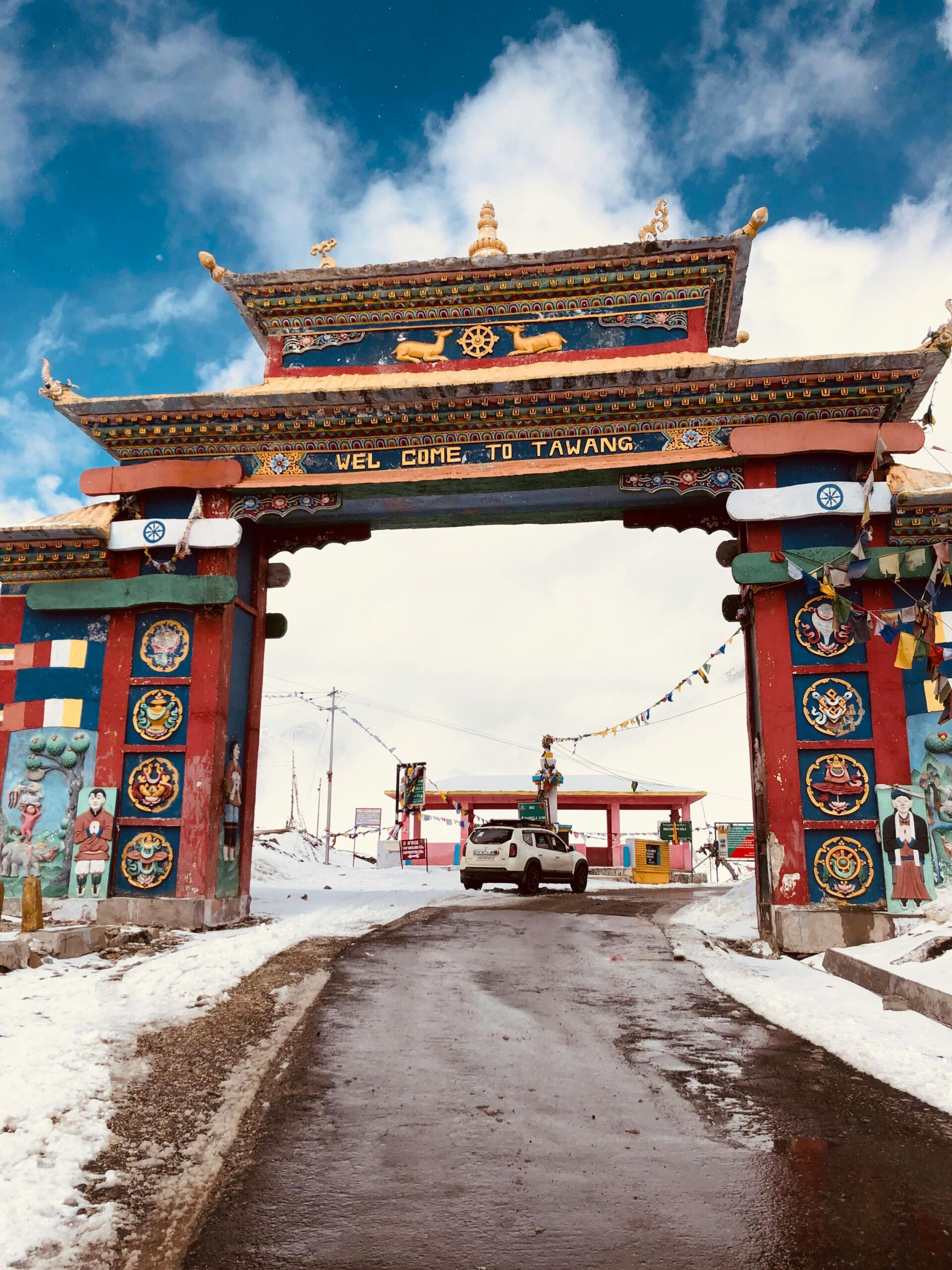
Choose manageable luggage for stairs and narrow approaches. Keep expectations realistic about how much walking everyone can enjoy. For other eastern Himalayan holiday ideas, the Darjeeling stay guide offers accommodation context, while the Tawang itinerary describes a separate regional trip that needs its own planning and permissions.
Frequently asked questions
Can I add a snow excursion to this itinerary?
Only after checking the specific destination, current access, eligibility, conditions and extra time. Snow is not guaranteed by a date or a package name. Keep the base itinerary worthwhile without the excursion and do not compress several long drives to make it fit.
Is this a completely easy mountain holiday?
It still includes winding roads, transfers and potential steps at attractions or hotels. It is less rushed than trying to cover several distant circuits, but comfort depends on the actual route and the group. Discuss mobility and health needs with appropriate professionals and operators before booking.
Should I book all vehicle arrangements together?
A clear combined quote can simplify coordination, but separate bookings may also work. Compare named routes, vehicle category, driver expenses and change policies. The quality of the written arrangement matters more than whether it is sold as a package.
Official references
Reviewed 21 October 2026: Sikkim Tourism’s state information, Restricted Area Permit guidance and Protected Area Permit guidance. The itinerary and spending assumptions are editorial. Recheck current roads, permissions and services before travel.